
Contents protection in New Orleans
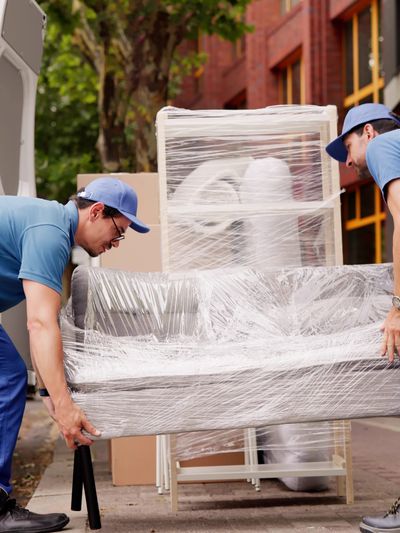
Contents Protection
Protecting your personal belongings is an important part of the restoration process. Proper handling, documentation, and storage of contents can help prevent additional damage while repairs are completed and your insurance claim moves forward.
Why Contents Protection Matters
Your personal belongings can be just as important as the structure itself after a property loss. Properly protecting furniture, electronics, clothing, and other possessions helps reduce additional damage while repairs are underway and provides better documentation for the insurance claim.
Items That May Need Protection
Depending on the type of loss, contents that may require protection include:
- Furniture
- Electronics
- Appliances
- Clothing
- Artwork
- Family heirlooms
- Photographs and documents
- Area rugs
- Decorative items
- Business equipment used in the home
How Contents Are Protected
Every project is different, but protecting personal property may include:
- Moving belongings away from the work area
- Covering furniture to protect it from dust
- Creating temporary storage areas within the home
- Packing fragile items
- Coordinating off-site storage when necessary
- Documenting damaged contents with photographs
The goal is to minimize additional damage while allowing repairs to proceed safely and efficiently.
Insurance and Personal Property
Many homeowners insurance policies include coverage for personal property damaged during a covered loss. Your insurance company determines coverage based on your policy and the circumstances of the claim. Keeping photographs, receipts, and an inventory of damaged items can help support the claims process.
Why Planning Ahead Helps
Protecting contents before demolition begins can reduce delays, minimize damage, and make the reconstruction process more efficient. Planning also helps ensure work areas remain safe while preserving items that can be cleaned, restored, or returned after repairs are complete.
Explore More Resources

Water Damage Claims
Project Case Studies
Water Damage Claims
Understand the insurance claim process for wind, hail, and storm damage, from emergency protection through final repairs.
Fire Damage Claims
Project Case Studies
Water Damage Claims
Understand the insurance claim process for fire damage, from emergency protection through final repairs.
Claim Supplements
Project Case Studies
Project Case Studies
Discover why additional damage is often found after demolition and how supplemental claims help document necessary covered repairs.
Project Case Studies
Project Case Studies
Project Case Studies
See real Riverbend projects that demonstrate how we've helped homeowners recover from water, fire, and storm damage throughout the New Orleans area.

Financing disclosure
Before You Proceed:
Financing options are provided by third-party lenders such as Hearth. Riverbend Renovation LLC is not a lender, broker, or agent of any financing provider and receives no compensation for referrals.
All loan terms, rates, and approvals are between you and the lender. We recommend reviewing terms carefully and consulting your own financial advisor before proceeding. Your project’s payment schedule and obligations to Riverbend Renovation are not contingent on your loan being approved or funded.
Click “Learn More” only if you understand and accept this.