
Fire Damage Insurance Claims in New Orleans
Fire Damage Claims
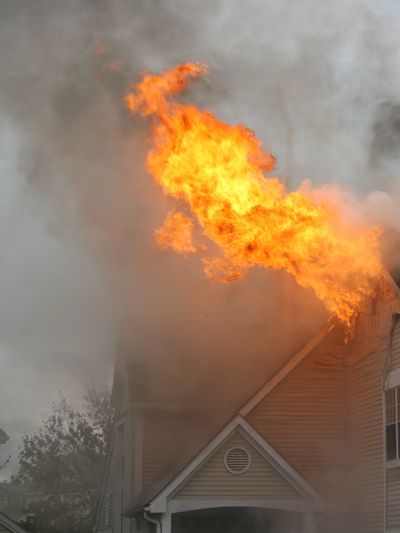
Fire damage often affects far more than what is visible. Smoke, soot, water used to extinguish the fire, and structural damage can all impact the repair process. Understanding how insurance claims work helps homeowners restore their property and document all necessary repairs.
Common Causes of Fire Damage
Fire damage can result from many different types of losses, and each situation presents unique repair challenges. In addition to the fire itself, smoke, soot, water used to extinguish the fire, and structural damage often require extensive restoration.
Common causes of fire damage include:
- Electrical failures
- Kitchen fires
- Heating equipment malfunctions
- Lightning strikes
- Fireplace or chimney fires
- Candles or open flames
- Garage or vehicle fires
- Appliance failures
- Wildfire or neighboring structure fires
- Smoke and water damage from nearby fires
What To Do Immediately After a Fire
After a fire, your safety should always come first. Once the property has been declared safe to enter, taking the right steps early can help protect your home and support the insurance claim process.
We recommend:
- Contact your insurance company to report the loss.
- Photograph and video the damage before moving items whenever possible.
- Do not discard damaged materials until they have been documented.
- Secure the property to help prevent additional damage.
- Keep receipts for emergency expenses related to the loss.
- Contact an experienced contractor to evaluate the full scope of repairs.
Understanding the Insurance Claim Process
Fire losses often involve more than repairing burned materials. Smoke damage, soot contamination, water from firefighting efforts, and structural concerns all require careful evaluation. Most fire damage claims follow a similar process:
- Report the loss to your insurance company.
- The adjuster inspects the property.
- Emergency stabilization is completed if necessary.
- A repair estimate is prepared.
- Additional hidden damage may be discovered during demolition.
- Supplemental documentation may be submitted if additional covered repairs are identified.
- Reconstruction is completed.
Hidden Damage After a Fire
Some of the most significant damage may not be immediately visible after a fire.
Common hidden conditions include:
- Smoke infiltration inside walls and ceilings
- Soot contamination within HVAC systems
- Heat-damaged framing
- Water damage from firefighting efforts
- Damaged insulation
- Electrical components affected by heat
- Structural weakening
- Odor trapped within building materials
As repairs begin, additional covered damage may be discovered that requires further documentation for the insurance company to review.
Can I Upgrade While Repairs Are Being Made?
Yes. Many homeowners choose to make improvements while restoring their home after a fire.
Common upgrades include:
- Kitchen remodeling
- Bathroom remodeling
- Flooring upgrades
- Cabinet replacements
- Lighting improvements
- Layout modifications
- Interior finish upgrades
Working with a contractor familiar with insurance claims helps separate covered repairs from homeowner-requested upgrades while clearly documenting both throughout the project.
Why Experience With Insurance Claims Matters
Fire damage claims often involve multiple trades, detailed documentation, hidden damage, and coordination with your insurance company. Riverbend Renovation works with homeowners throughout the reconstruction process by preparing detailed repair scopes, documenting additional damage when discovered, coordinating repairs, and helping homeowners understand each phase of the project from demolition through final completion.
Explore More Resources

Water Damage Claims
Project Case Studies
Water Damage Claims
Understand the insurance claim process for wind, hail, and storm damage, from emergency protection through final repairs.
Storm Damage Claims
Project Case Studies
Water Damage Claims
Understand the insurance claim process for wind, hail, and storm damage, from emergency protection through final repairs.
Claim Supplements
Project Case Studies
Project Case Studies
Discover why additional damage is often found after demolition and how supplemental claims help document necessary covered repairs.
Project Case Studies
Project Case Studies
Project Case Studies
See real Riverbend projects that demonstrate how we've helped homeowners recover from water, fire, and storm damage throughout the New Orleans area.

Financing disclosure
Before You Proceed:
Financing options are provided by third-party lenders such as Hearth. Riverbend Renovation LLC is not a lender, broker, or agent of any financing provider and receives no compensation for referrals.
All loan terms, rates, and approvals are between you and the lender. We recommend reviewing terms carefully and consulting your own financial advisor before proceeding. Your project’s payment schedule and obligations to Riverbend Renovation are not contingent on your loan being approved or funded.
Click “Learn More” only if you understand and accept this.