
Storm Damage Insurance Claims in New Orleans
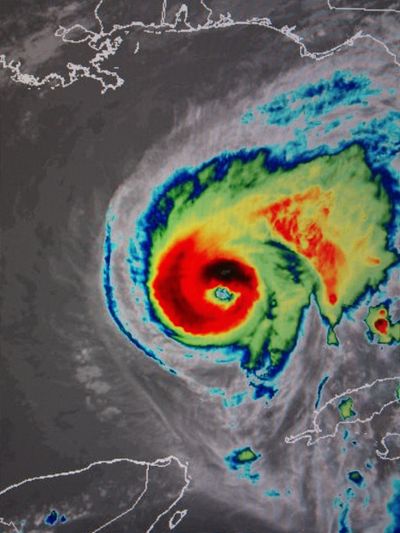
Storm Damage Claims
Storm damage can affect roofing, siding, windows, and the interior of your home. Whether the damage is caused by wind, hail, fallen trees, or hurricanes, understanding the insurance claim process helps homeowners document the loss and restore their property properly.
Common Causes of Storm Damage
Storm damage can result from a single severe weather event or repeated exposure over time. High winds, heavy rain, hail, and falling trees can damage both the exterior and interior of a home, often requiring repairs beyond what is immediately visible.
Common causes of storm damage include:
- Hurricanes and tropical storms
- Straight-line winds
- Tornadoes
- Hailstorms
- Fallen trees and limbs
- Wind-driven rain
- Flying debris
- Roof failures
- Broken windows and doors
- Lightning strikes
What To Do Immediately After a Storm
Once it is safe to do so, taking prompt action can help prevent additional damage and support your insurance claim.
We recommend:
- Document the damage with photographs and videos.
- Contact your insurance company to report the loss.
- Protect the property from additional damage if it can be done safely.
- Keep damaged materials until they have been documented.
- Save receipts for emergency expenses.
- Contact an experienced contractor to inspect the full extent of the damage.
Understanding the Insurance Claim Process
Storm damage claims often involve both visible and hidden damage. While missing shingles or broken windows may be obvious, water intrusion and structural damage may not become apparent until repairs begin.
Most storm claims follow a similar process:
- Report the loss.
- Insurance inspection.
- Temporary protection if needed.
- Repair estimate.
- Additional damage identified during repairs.
- Supplemental documentation when appropriate.
- Final reconstruction.
Hidden Damage After a Storm
Storm damage frequently extends beyond what can be seen during the initial inspection.
Hidden conditions may include:
- Roof decking damage
- Wet insulation
- Water intrusion behind walls
- Damaged framing
- Ceiling damage
- Mold caused by delayed drying
- Window and door leakage
- Structural movement
When additional covered damage is discovered, it should be properly documented for the insurance company to review.
Can I Upgrade While Repairs Are Being Made?
Yes. Storm repairs often provide an opportunity to improve your home while restoration work is already underway.
Homeowners commonly choose to:
- Upgrade roofing materials
- Replace windows
- Improve exterior finishes
- Remodel damaged interior spaces
- Upgrade flooring
- Renovate kitchens or bathrooms affected by the loss
Working with a contractor experienced in insurance claims helps distinguish covered repairs from homeowner-requested improvements while documenting both throughout the project.
Why Experience With Insurance Claims Matters
Storm damage claims often involve multiple building systems and several different trades. Riverbend Renovation works with homeowners to document damage, prepare detailed repair scopes, coordinate repairs, and communicate throughout the restoration process so projects move forward as efficiently as possible.
Explore More Resources

Water Damage Claims
Project Case Studies
Water Damage Claims
Understand the insurance claim process for wind, hail, and storm damage, from emergency protection through final repairs.
Fire Damage Claims
Project Case Studies
Water Damage Claims
Understand the insurance claim process for fire damage, from emergency protection through final repairs.
Claim Supplements
Project Case Studies
Project Case Studies
Discover why additional damage is often found after demolition and how supplemental claims help document necessary covered repairs.
Project Case Studies
Project Case Studies
Project Case Studies
See real Riverbend projects that demonstrate how we've helped homeowners recover from water, fire, and storm damage throughout the New Orleans area.

Financing disclosure
Before You Proceed:
Financing options are provided by third-party lenders such as Hearth. Riverbend Renovation LLC is not a lender, broker, or agent of any financing provider and receives no compensation for referrals.
All loan terms, rates, and approvals are between you and the lender. We recommend reviewing terms carefully and consulting your own financial advisor before proceeding. Your project’s payment schedule and obligations to Riverbend Renovation are not contingent on your loan being approved or funded.
Click “Learn More” only if you understand and accept this.